No products in the cart.
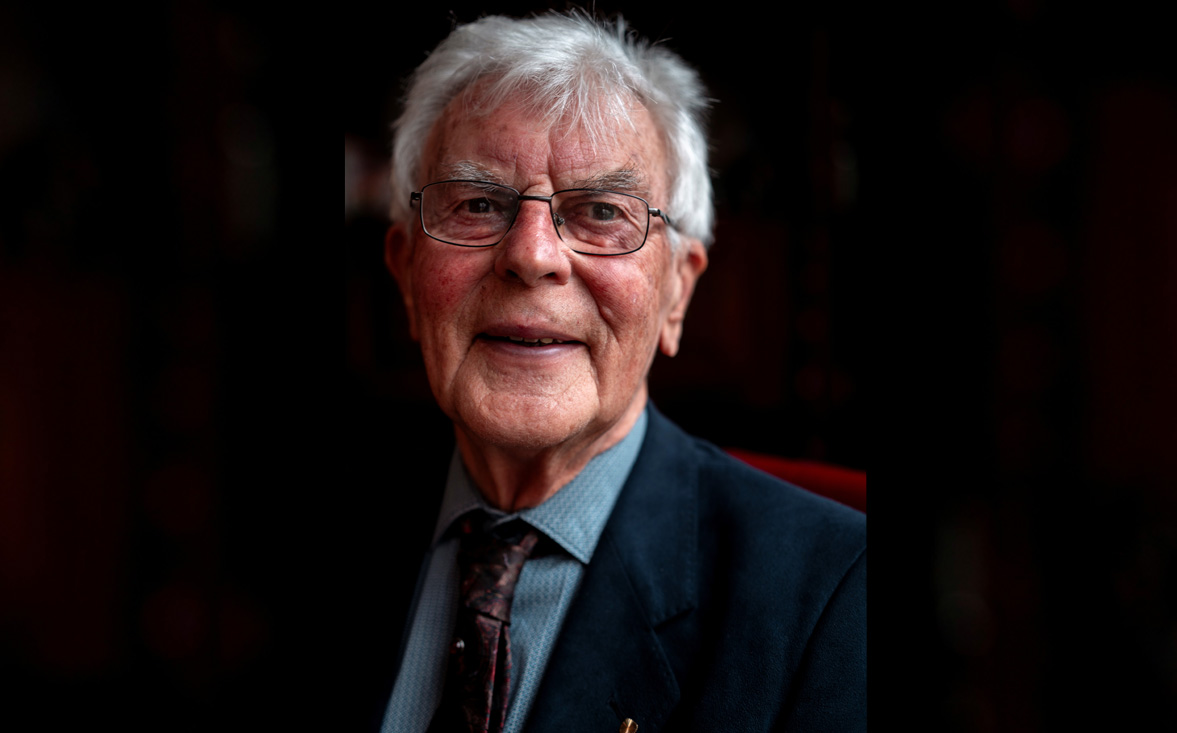
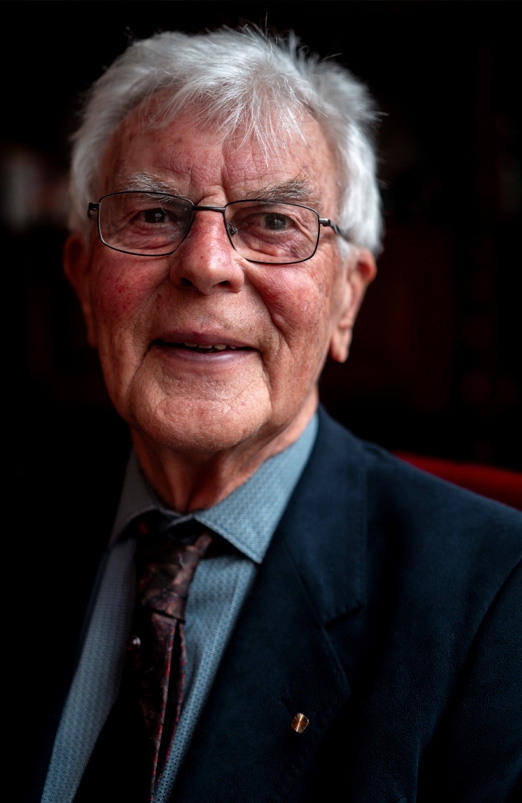
Eyewitness Story: Nicolaas Eversdijk
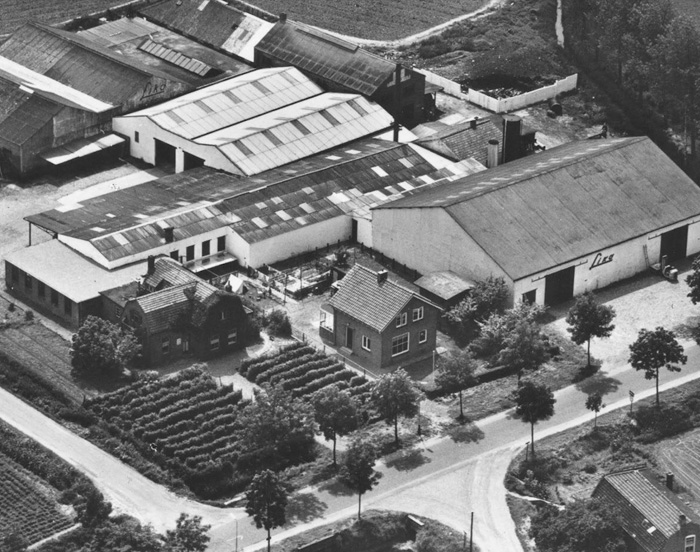
Nicolaas (Nico) Eversdijk was only six years old when, on 10 May 1940, the German army invaded the Netherlands. He grew up on Postweg in Kapelle — then an important route for military traffic between Walcheren and North Brabant. In the first days of the war, Nico watched as French troops marched into his village to stop the advancing Germans. His mother made coffee for the French soldiers, but since they didn’t speak each other’s language, communication was limited to single words like “sucre” — sugar. A little further down the road, French soldiers were stationed in the local jam factory. At night, the sound of artillery rumbled behind their house, and little Nico couldn’t sleep a wink.
Evacuation and Return
When the Germans advanced, the Eversdijk family had to flee in haste. Father Marien had been stationed at the Grebbeberg during the mobilisation, leaving mother Kee to fend for herself. With her sons Nico and Leen, she found shelter with relatives in De Groe near Goes, where they stayed for six days. When they returned to Kapelle, they found their house looted and saw the traces of heavy fighting everywhere: fallen soldiers and makeshift graves of French troops. The fear for their father’s fate remained until a villager brought word that he was still alive. It was not until the end of August 1940 that he returned home from captivity.
Life Under Occupation
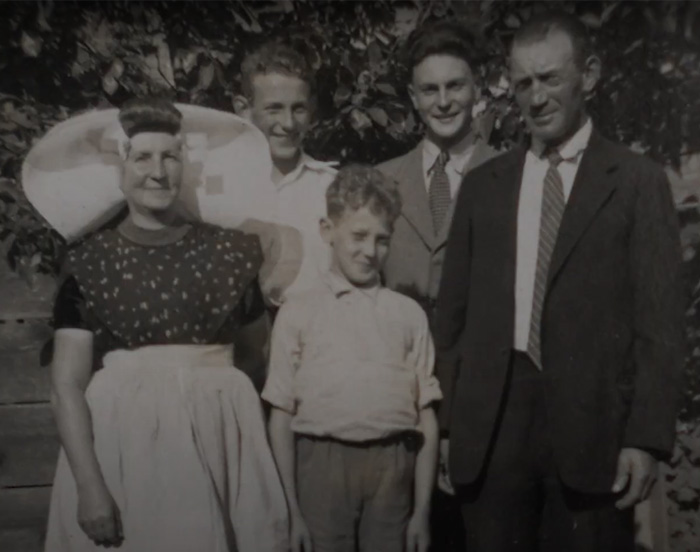
During the occupation, daily life grew increasingly grim. Nico’s primary school was taken over by German soldiers, forcing classes to relocate time and again — first to the church, then to a furniture shop, and eventually to private homes. Reverend D.J. Schmidt, the father of writer Annie M.G. Schmidt, openly prayed for Queen Wilhelmina and was consequently expelled from his rectory by the occupiers. German soldiers were also billeted with the Eversdijk family. One of them demanded that the photograph of the Queen be taken down, but Nico’s father refused — instead, he simply hung a coat rack in front of it. Other soldiers warned Nico to stay away from a fanatical Nazi among them, while an injured airman treated him kindly and even cautioned him about an impending air raid.
Liberation of Kapelle
When the Allies advanced in October 1944, the sounds of amphibious vehicles and gunfire echoed day and night. The Eversdijk family sought shelter in an air-raid bunker across from their house, together with sixteen other people. The fear and stifling air were unbearable. Four days later, Canadian jeeps drove into their street — Kapelle was liberated. The relief was immense: they had survived. Now, more than eighty years later, Nicolaas Eversdijk shares his memories with his grandson Arjen, who recorded his stories on video. Thanks to their efforts, this personal account is preserved — a living testimony to what the war meant for one Zeeland family.