


No products in the cart.

Object of the Month – March 2026
From Parachute Fabric to Blouse
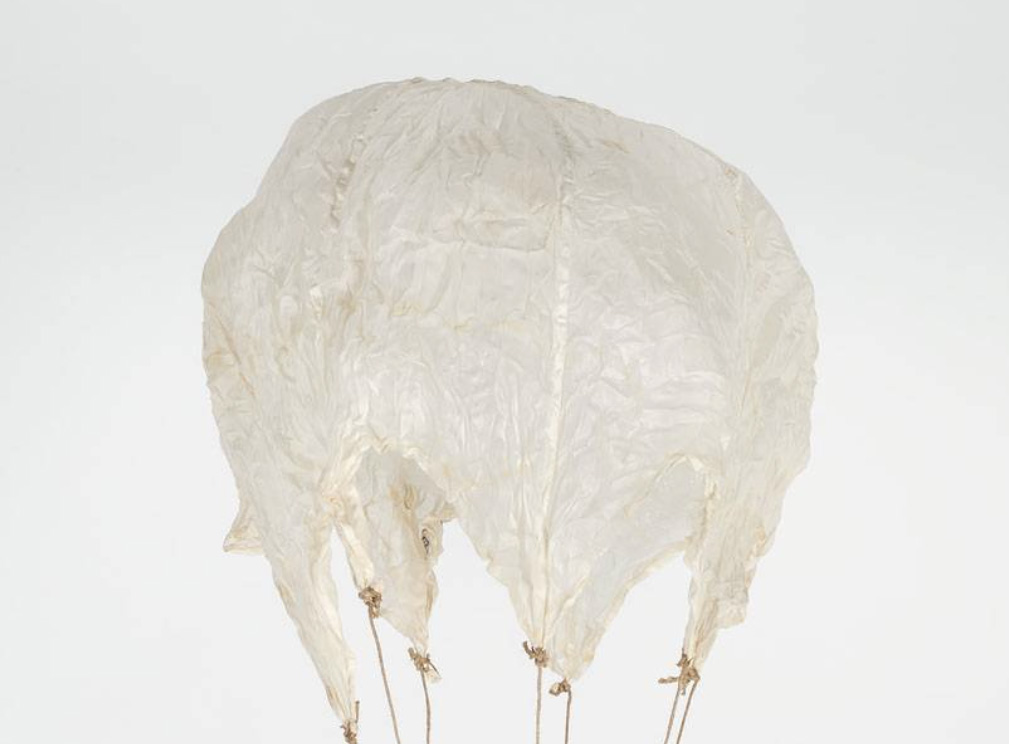
This cream-colored women’s blouse with short sleeves and a pleated collar is made from thin parachute fabric and forms a tangible reminder of both the wartime years and human resilience in times of scarcity. The fabric is lightly translucent and carefully finished, with visible hand stitching. The garment illustrates how, during the Second World War, materials were reused out of necessity but also out of emotional significance: what was once life-saving textile in the sky was given a new existence after the war as a personal keepsake.
Shot down over the Westerschelde
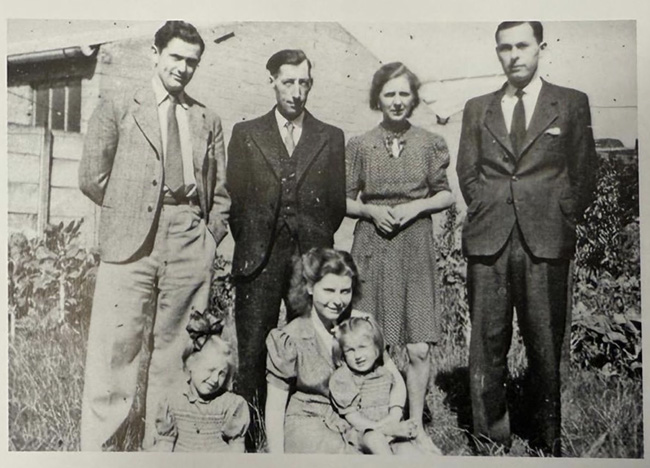
The blouse was made from a piece of parachute belonging to British flight engineer Dennis Raymond Beale. His Halifax bomber was shot down on 31 March 1944 over the Westerschelde, near Hansweert, by German anti-aircraft fire and crashed at the Biezelingse Ham. Beale managed to bring himself to safety and reached the Zeeland coast by swimming. With the help of the local resistance he was assisted further and found shelter at several addresses in Zeeland, including the farm of the Acda family in Baarland. Part of his parachute remained there.
A Family Preserves a Memory
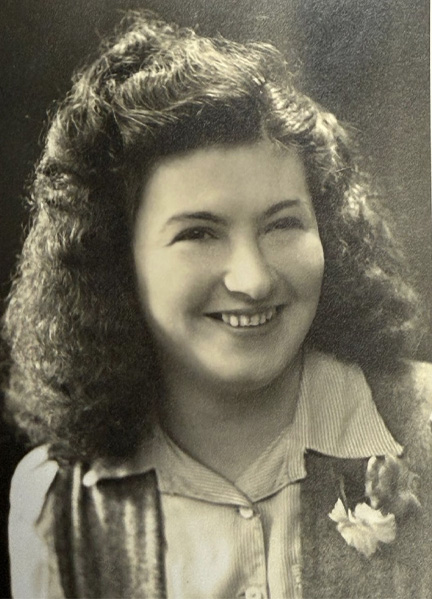
After the liberation, Joantje, one of the daughters of the Acda family, carefully kept this piece of parachute fabric. She later married Merien Timmerman, who had himself gone into hiding during the war because he refused to work in Germany. Joantje later gave the fabric to her sister-in-law Betty Timmerman, born on 24 March 1929. Betty was a seamstress and transformed the parachute material into this blouse. In doing so, she created not only a garment but also a lasting object of remembrance connected to a remarkable wartime story. She carefully preserved the blouse until her passing on 15 October 2025, at the age of 96.
Aftermath and Legacy
After her passing, the family decided to donate the object to the Bevrijdingsmuseum Zeeland, ensuring that the story of Dennis Raymond Beale, the Acda family, and Betty Timmerman would be preserved for future generations.
Beale’s attempt to escape via Belgium was unsuccessful: on 7 September 1944 he was arrested in Zelzate and spent the remainder of the war as a prisoner of war. Several helpers from the Belgian resistance who had assisted in his escape paid for this with their lives and were executed in the dunes of Valkenisse. Beale survived the war. What had once served as a means of survival was given a new meaning after the war in the form of this garment.
